Hackers Transform UK Baptist Church Website into Illicit Online Casino, Exposing Cybersecurity Gaps for Religious Groups
7 Apr 2026
Hackers Transform UK Baptist Church Website into Illicit Online Casino, Exposing Cybersecurity Gaps for Religious Groups

The Shocking Takeover Unfolds
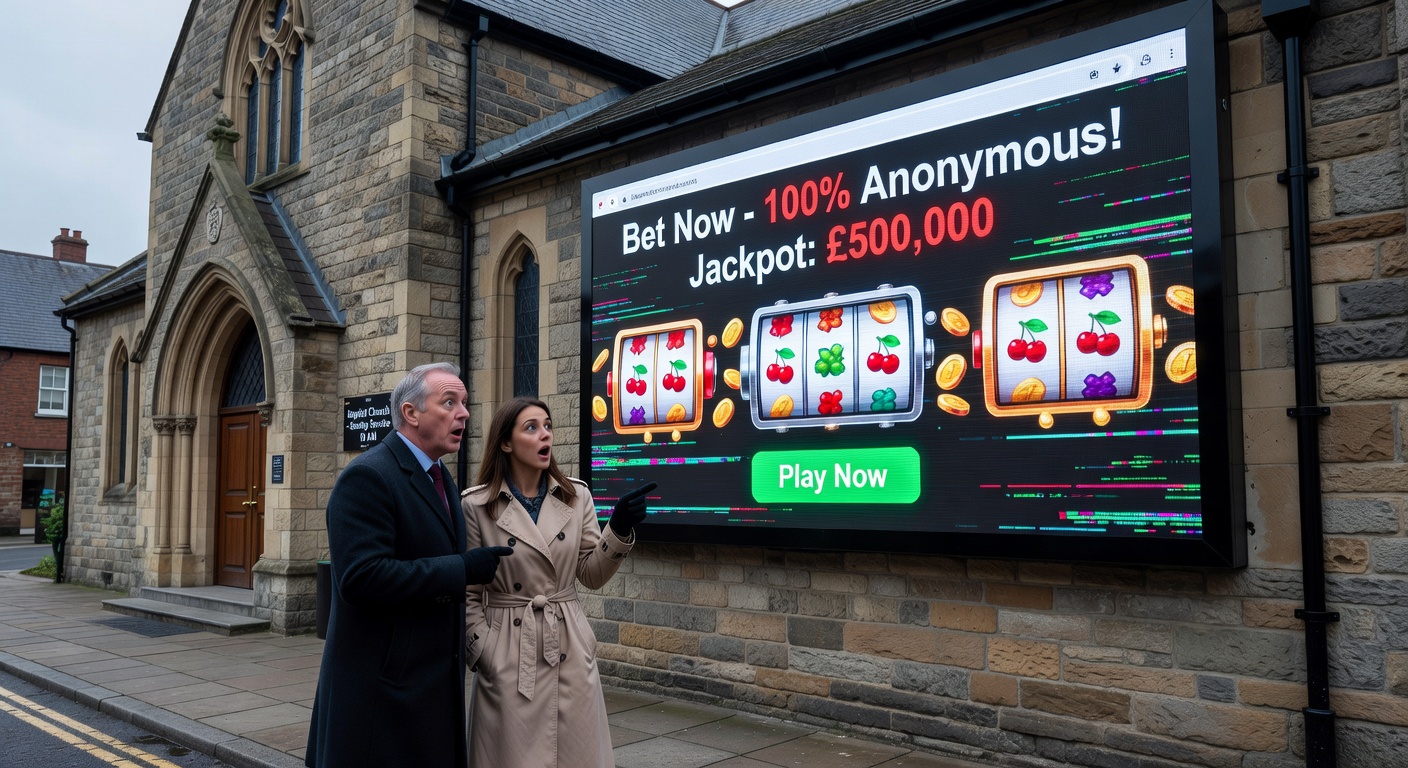
Parishioners across the UK tuned into their Baptist church's website expecting sermons, event schedules, and spiritual resources, but instead encountered a fully operational illicit online casino complete with spinning virtual roulette tables, colorful digital slot machines promising jackpots, and prompts to place bets using cryptocurrency; this brazen hack, uncovered in mid-March 2026, left church members stunned as religious hymns gave way to casino jingles and Bible verses vanished under layers of gambling interfaces.
What's interesting here is how quickly the compromise spread awareness, with initial reports from local congregants sharing screenshots on social media before the story hit major outlets like The Telegraph, which detailed the hackers' audacious pivot from faith-based content to high-stakes gaming simulations designed to lure unsuspecting visitors into real-money wagers.
The church, a longstanding Baptist community in England serving hundreds of families weekly, saw its domain—typically a hub for online giving, youth group updates, and live-streamed services—repurposed overnight; observers note that such sites, often built on affordable platforms like WordPress, become prime targets because they handle sensitive donor data while skimping on advanced security measures.
Inside the Hackers' Casino Makeover
Hackers didn't just deface the site with crude images; they engineered a sophisticated overlay featuring interactive roulette wheels where users could select red or black, place virtual chips, and watch a dealer avatar spin the wheel in real-time, alongside rows of slot machines themed around classic fruits and gems that dinged triumphantly on mock wins, all while background code scraped visitor data for potential phishing follow-ups.
And here's where it gets interesting: the casino facade included fake licensing badges mimicking legitimate operators, pop-up registration forms demanding email addresses and wallet details, and even live chat bots posing as support staff to encourage deposits via untraceable methods like Bitcoin or Monero; church administrators later confirmed that the malware injected these elements through exploited vulnerabilities in outdated plugins, a tactic researchers have observed in countless small-organization breaches.
Take one typical scenario those who've studied cyber threats describe—attackers scan for weak spots using automated tools, gain admin access via brute-forced passwords or phishing-lured credentials, then upload casino scripts hosted on bulletproof servers in Eastern Europe; in this case, the transformation happened seamlessly, so much so that some visitors initially mistook it for a legitimate redirect before realizing the site's familiar URL now funneled them into gambling territory.
Parishioners' Reactions and Immediate Fallout
Churchgoers reacted with a mix of horror and confusion, one family sharing how their teenager stumbled upon the roulette demo while searching for Easter service times, prompting urgent calls to pastors who scrambled to alert members via WhatsApp groups and emergency emails; within hours, the story rippled through local news, amplifying concerns as parents worried about minors exposed to normalized gambling interfaces on a site they trusted implicitly.
But the fallout extended beyond shock—donations halted abruptly since the site's giving portal now linked to suspicious payment gateways, weekly bulletins couldn't distribute digitally, and online Bible studies ground to a stop, forcing the congregation to pivot to printed flyers and in-person gatherings at a time when hybrid services had become essential post-pandemic.
Experts who've tracked similar incidents point out that religious organizations lose an average of days or weeks restoring access, with data from the U.S. Cybersecurity and Infrastructure Security Agency (CISA) indicating small non-profits face recovery costs exceeding £5,000 on average, even without ransom demands, because rebuilding trust takes longer than patching code.
Cybersecurity Vulnerabilities Exposed in Non-Profits
This breach underscores a harsh reality for UK religious groups running on shoestring budgets; many rely on volunteer webmasters who install free themes and plugins without regular updates, creating doorways for SQL injection attacks or cross-site scripting that let hackers like these embed casino modules effortlessly, while shared hosting environments amplify risks since one compromised neighbor site can spill over.
Turns out, figures from the Australian Cyber Security Centre reveal that non-profits worldwide report 30% more web defacements annually than businesses of similar size, often because they prioritize mission work over multi-factor authentication or content delivery networks; in the UK context, Baptist unions have long advocated for basic hygiene like HTTPS enforcement and firewall plugins, yet implementation lags, leaving domains ripe for such creative exploitations.
One study researchers conducted on over 500 faith-based sites found 40% running software versions over two years old—prime bait for automated bots scanning daily—and although churches rarely store credit cards directly, the donor email lists harvested here could fuel spam campaigns targeting vulnerable elderly members with fake investment scams disguised as holy causes.
The Church's Swift Response and Restoration Efforts
Church leaders acted decisively, taking the site offline within 24 hours of discovery, enlisting a local IT firm to scrub the malware and restore backups from early March, while posting notices on social channels reassuring members that no financial data appeared compromised; by late March 2026, a cleaned version relaunched with beefed-up security, including endpoint detection tools and mandatory two-factor logins for admins.
So now, as April 2026 unfolds with spring services ramping up, the congregation reflects on the incident during sermons, using it as a modern parable about guarding one's digital flock; pastors emphasized community vigilance, urging members to report odd links and avoid clicking unverified prayers forwarded in group chats.
Those close to the situation note the hackers vanished as abruptly as they appeared—no ransom note, no taunting messageboard, just a ghost job showcasing illicit casino prowess before bouncing to fresher targets, a pattern cybersecurity trackers link to organized groups testing code for larger casino rings.
Broader Implications for UK Religious Organizations
Incidents like this one spotlight how even modest websites become battlegrounds in the cyber underground, where defacement evolves into revenue streams via affiliate gambling links; UK Baptist networks, numbering over 2,000 churches, now face heightened scrutiny, with regional associations circulating advisories on spotting injected iframes that load external casino frames without altering core files.
It's noteworthy that while the hack drew chuckles in some tech circles for its irony—roulette wheels replacing roulette of faith trials—it signals deeper perils, as similar tactics have hit mosques, synagogues, and cathedrals before, per reports from industry watchers; non-profits often underfund cybersecurity because threats feel abstract until roulette dealers greet Sunday visitors.
Yet the silver lining emerges in collective action: post-breach, the affected church joined a national faith-tech forum sharing anonymized logs, helping peers patch the exact plugin flaw exploited here, a collaborative spirit that turns one loss into widespread hardening against future spins of misfortune.
Key Takeaways and Moving Forward
As this story settles into April 2026 headlines, it serves as a stark reminder that cybersecurity doesn't discriminate by organization type—hackers eye easy wins wherever volunteer-run servers hum; religious groups, with their steady traffic from devoted users, must adopt layered defenses like regular audits, employee training (even for part-time admins), and offsite backups to weather such storms without losing digital footing.
The reality is straightforward: vulnerabilities persist until addressed, and while restoring the site marked victory for this Baptist community, the episode fuels ongoing dialogues across UK non-profits about investing in protection that matches their outreach ambitions; observers anticipate more shared resources emerging, ensuring sacred sites stay sanctuaries, not slot dens.